The Most Essential Gear for Saltwater Anglers
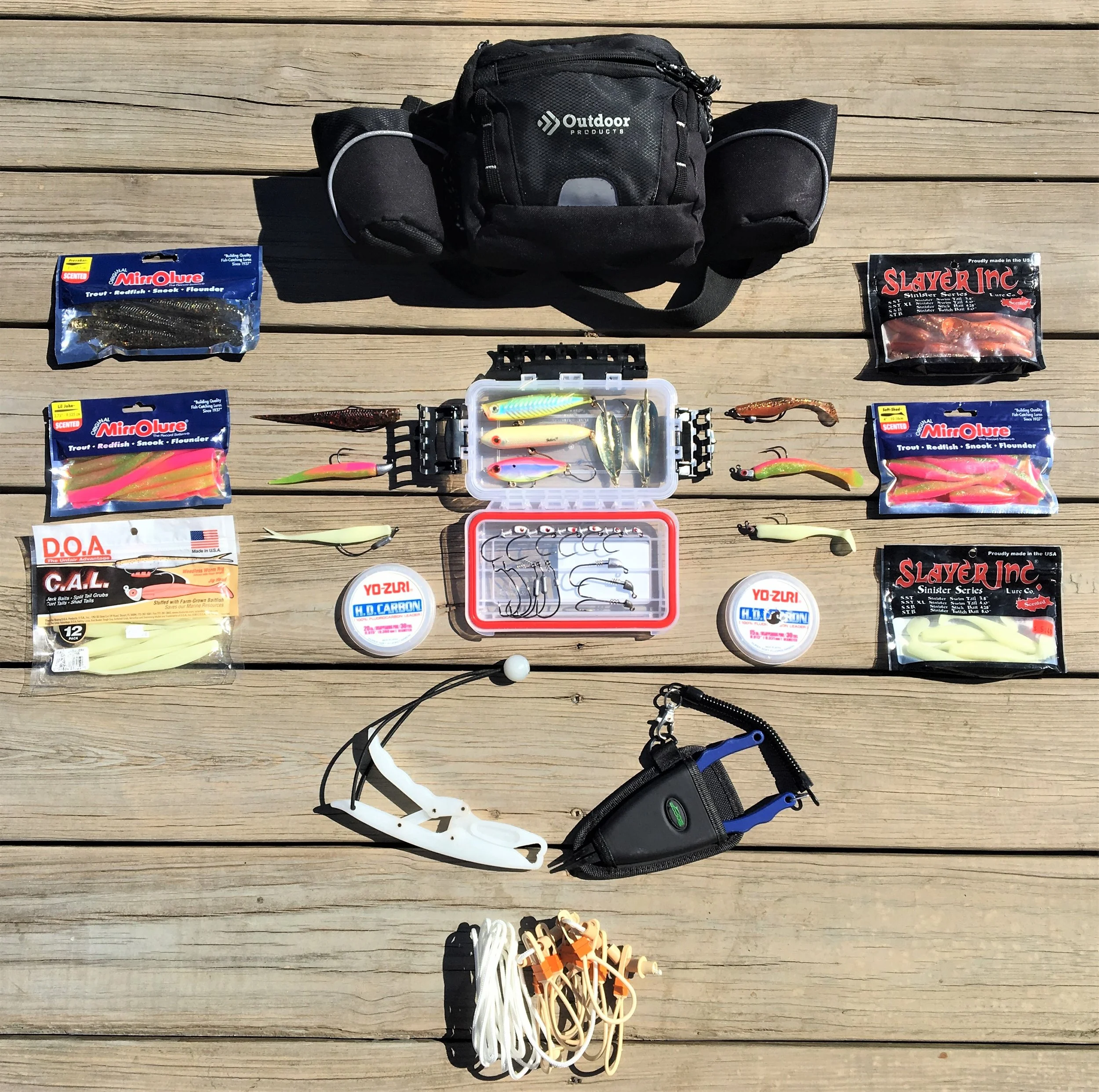
For the saltwater angler, there’s nothing better than spending a day on the water, enjoying the ocean. Whether fishing from a pier, the shore, a boat, or even wading in the water, there’s something about salt water that rejuvenates the soul. From the bracing scent of the air to the humbling vastness of the ocean, being close to the sea is a life-changing experience—and fishing is one of the best excuses to do so.
The right gear can make or break your fishing trip, however. While you’ll need slightly different gear if you’re going deep-sea fishing versus casting from a pier, the basic equipment is similar. Here’s a comprehensive guide to the gear that saltwater anglers need.
Universal Saltwater Fishing Gear
Salt water is much more corrosive than fresh water, so saltwater fishing gear needs to be robust and stand up to the elements. This means solid rods and reels that are strong, corrosion-resistant, and easy to manage. Many saltwater fish are large and powerful, which means the chance of snapping a line or having a fish bite through is higher than with freshwater fish. Braided fishing line is stronger and more resilient, but it can also be difficult to cut, so braid scissors come in handy. Circle hooks are popular with many saltwater anglers, especially when deep-sea fishing, as they hook the fish in the corner of the mouth and are less likely to be swallowed. They’re also less likely to become unhooked.
A landing net is also helpful, as is a pair of pliers, to remove hooks from the fish’s mouth (or your legs, if you’re unlucky). Lures, bait, and sinkers are essential, obviously, but the right kinds depend on what fish you’re targeting. Always keep a basic fishing tool kit on hand for tying lures and repairing gear. Lip-grippers will keep your fingers safe from sharp fish teeth while removing hooks, and a five-gallon bucket or two is great for keeping your caught fish. A towel will also come in handy for wiping your hands or holding the fish. Finally, don’t forget a ruler so you can measure the size of your catch.
Specific Gear for Pier Fishing
In addition to the gear listed above, include a few extra pieces of equipment in your kit if you’re fishing from a pier. Rod holders help keep multiple lines in the water at one time without getting tangled or snagged. Meanwhile, a good beach chair can mean the difference between a comfortable day fishing and a sore back. You may also want a small wagon to tote your stuff, especially if you have to walk a long distance to get to your fishing spot. Finally, a good cooler does double duty, insulating cold drinks for early in the day and storing caught fish at the day’s end.
Important Equipment for Shore Casting
Shore casting or surf fishing is an easily accessible and infinitely enjoyable way to spend the day in the sand and water, but it requires a bit of extra preparation. Waders and booties are helpful for keeping your legs dry and feet safe from rocks, urchins, and barnacles. Meanwhile, sand-specific rod holders can be thrust into the sand to support additional static lines while casting in the breakers. A waterproof backpack is also good idea to keep your gear, clothes, and snacks dry, while board shorts or other quick-drying bottoms will keep you comfortable even after getting wet.
Key Additions for Wade Fishing
Whether on cold northern beaches or backwater estuaries, wading in shallow water is a fun and challenging way to target different species of fish. Along with all the standard gear, you’ll want a good pair of waders (thicker ones in colder water), thermal uppers if the temperature is chilly, a waterproof jacket in case of squalls or splashing, and a sturdy tackle bag that is easy to carry but also durable.
Extra Gear for Deep-Sea Fishing
For anglers looking to land a really impressive catch, there’s nothing better than targeting game fish from a boat. Deep-sea fishing comes with its own set of challenges and gear requirements, though many anglers charter a boat that provides most of the gear—and that’s your best bet if you’re just getting started with this type of fishing.
However, if you’re using your own or a friend’s boat, make sure you have a GPS, charts, VHF (Very High Frequency) radio, EPIRB (Emergency Position Indicating Radio Beacon), and backup forms of communication and batteries. A fishfinder is a smart addition to your fishing gear.
Next, don’t forget protection from the sun and wind: polarized sunglasses, hat, sunscreen, breathable long-sleeved shirt, and a good rain/wind jacket. Even if it’s hot at the marina, when you get out on the water, it can be much cooler, and when you’re travelling fast, the wind can be intense. Wear closed-toe shoes that have good traction on wet decks.